






Pharmaceuticals Industry


Project Overview
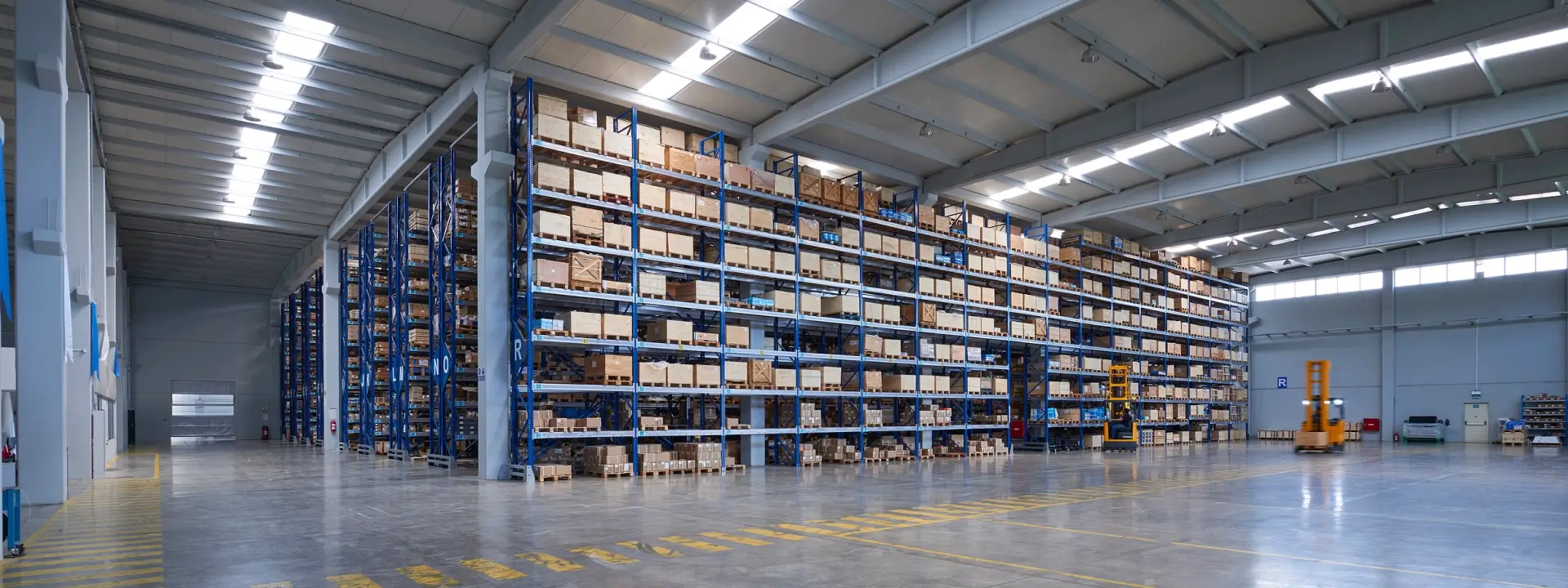
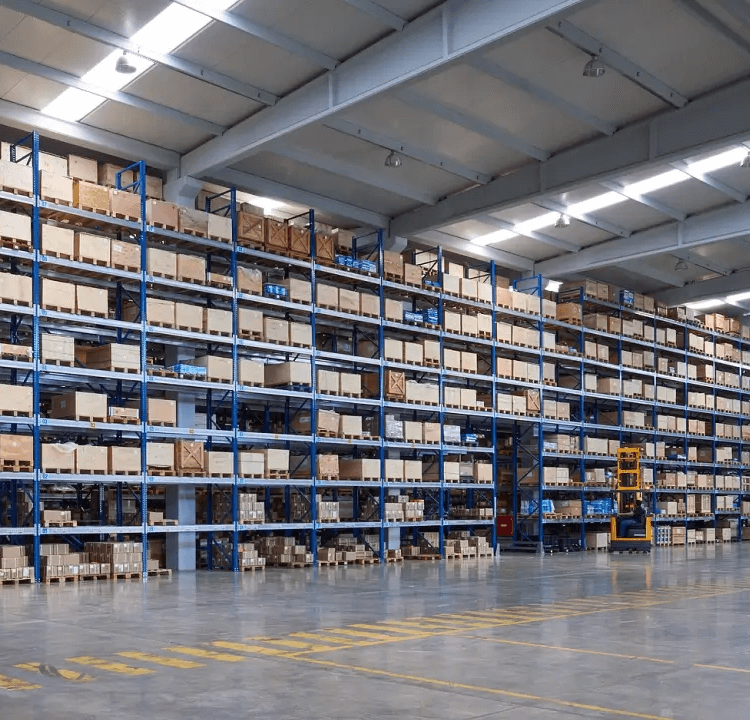
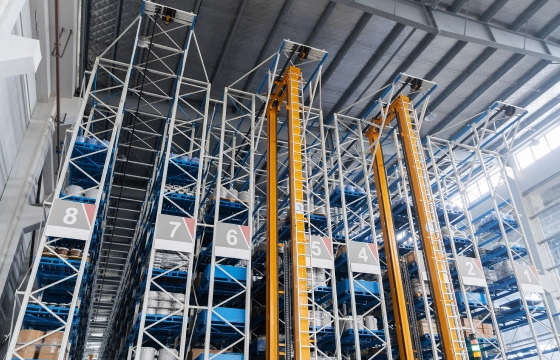
The client is a key enterprise within the pharmaceutical manufacturing sector. The automated storage system was integrated within a dedicated factory building measuring approximately 87 meters in length, 25 meters in width, and offering a usable vertical clearance of 30 meters.Following thorough research into the client's storage methods, logistics process characteristics, and site layout, CNANC Intelligent addressed their complex storage management requirements and insufficient automation levels by designing a stacker crane intelligent high-bay warehouse system. This system integrates with the WMS warehouse management system and WCS warehouse control system for unified scheduling, aiming to enhance storage management efficiency through optimized layout and effectively reduce production costs.

Highlights Showcase
-
Total storage location: 10,370
-
Overall warehouse efficiency: ≥200 pallets/hour
-
AGV system integrated transfer efficiency: ≥160 pallets/hour
-
Developed graphical monitoring functions and interfaces to implement anomaly detection

Challenges
-
Insufficient storage spaceContinuously rising business volume, insufficient warehouse space, constrained inventory turnover rate
-
Demanding high order picking efficiencyPharmaceutical products feature numerous monthly varieties and a vast SKU count, demanding high order picking efficiency

Solutions
Addressing the client's challenges of underutilized storage space, increasing SKU counts, and inefficient manual picking, CNANC Intelligent deployed automated high-density storage and transport technology. This enables automated integration and storage between processes, enhancing space utilization while boosting operational efficiency and reducing personnel across workflows.Within warehousing, high-bay shelving systems and aisle-type stacker crane systems establish intelligent automated storage within the facility. For transportation, logistics equipment including conveyor systems and AGV systems connects raw materials, finished goods, and production processes, enabling seamless automated in-factory logistics. Information infrastructure encompasses PLC electrical control systems, WMS warehouse management systems, WCS equipment control/scheduling systems, and information identification systems. These integrate logistics and information flows between two automated warehouses and across the entire factory, dismantling isolated production models.